

Why So Many Canadian Mothers Feel Unsupported After Birth
New Canadian data is revealing just how many mothers struggle to access the care and support they need after birth. A postpartum nurse looks at the gaps in postpartum healthcare, mental health support, and why mothers were never meant to recover alone.
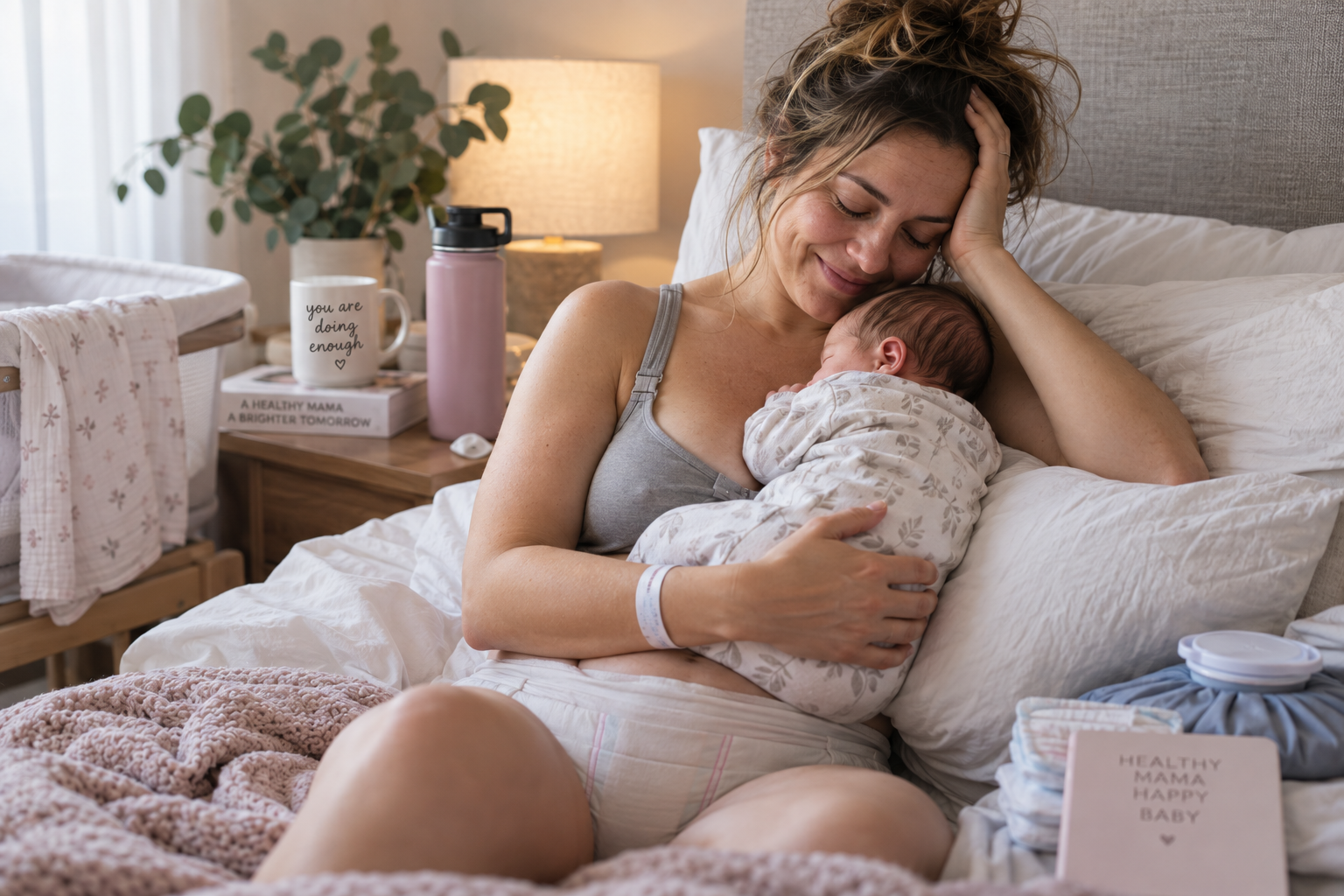
Postpartum Warning Signs You Shouldn't Ignore: What New Ontario Research Shows
New Ontario research found that almost 30% of severe maternal complications occurred after birth. Here's what every pregnant and postpartum woman—and her partner—should know about heavy bleeding, postpartum preeclampsia, infection, blood clots and other warning signs.

Postpartum Recovery: What to Expect in the First 6 Weeks After Birth
Everyone prepares you for birth, but what happens once you bring the baby home? Here's what to expect during the first six weeks postpartum, from bleeding and afterpains to breastfeeding, swelling, sleep and recovery.

How to Prepare Your Partner for a Home Birth
Learn how to prepare your partner for a home birth with practical tips for comfort measures, decision-making, birth-space prep, hospital transfer planning and hands-on labour support.
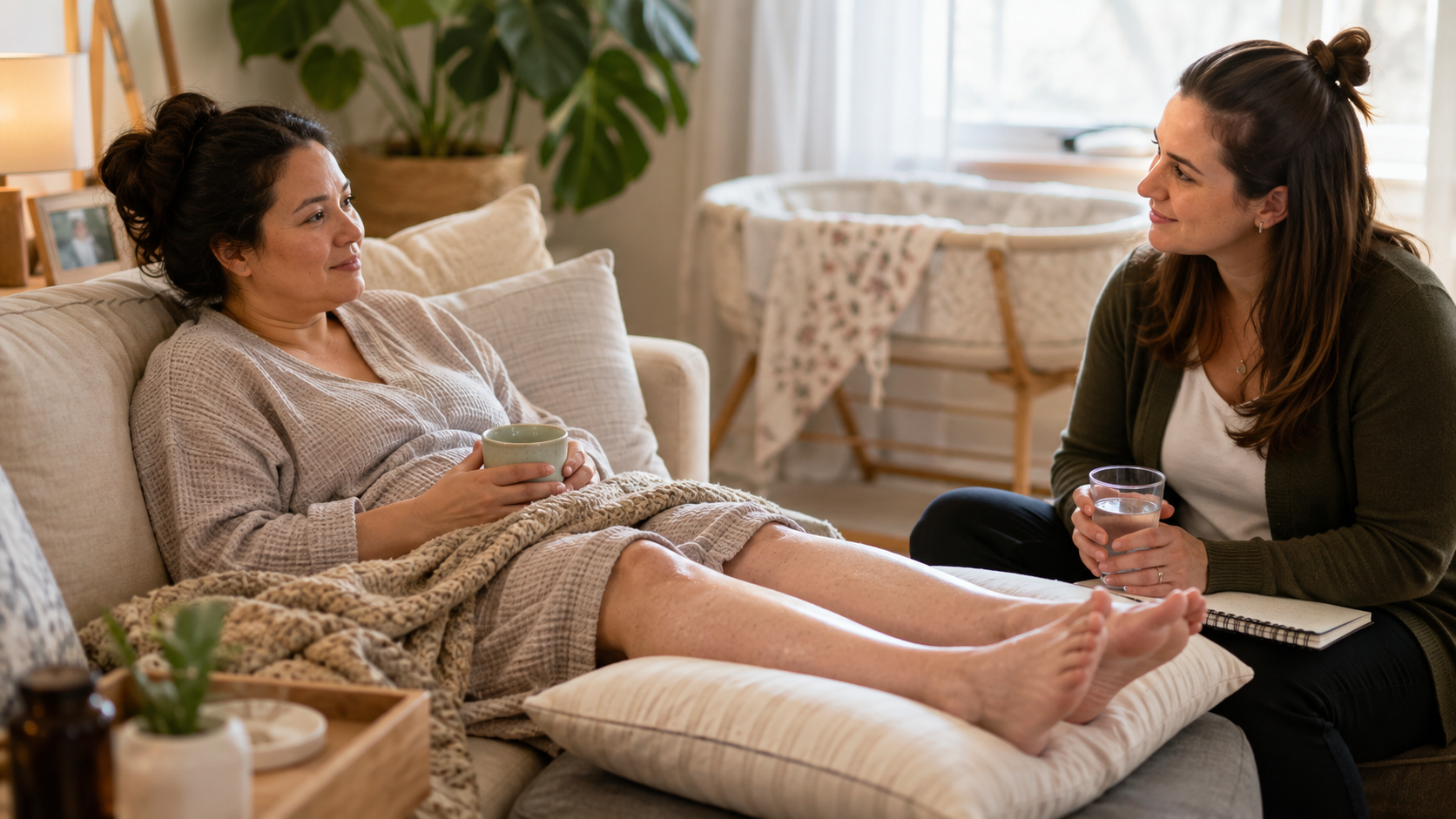
When Your Postpartum Client Is Really Swollen: What Doulas Should Know
Postpartum swelling is incredibly common, but not all swelling should be treated the same. For doulas and birth workers, knowing what to notice — and when something deserves another set of eyes — can make a big difference. Let’s talk about what typical postpartum swelling can look like, the red flags worth knowing, and how to support your client without stepping outside your scope.
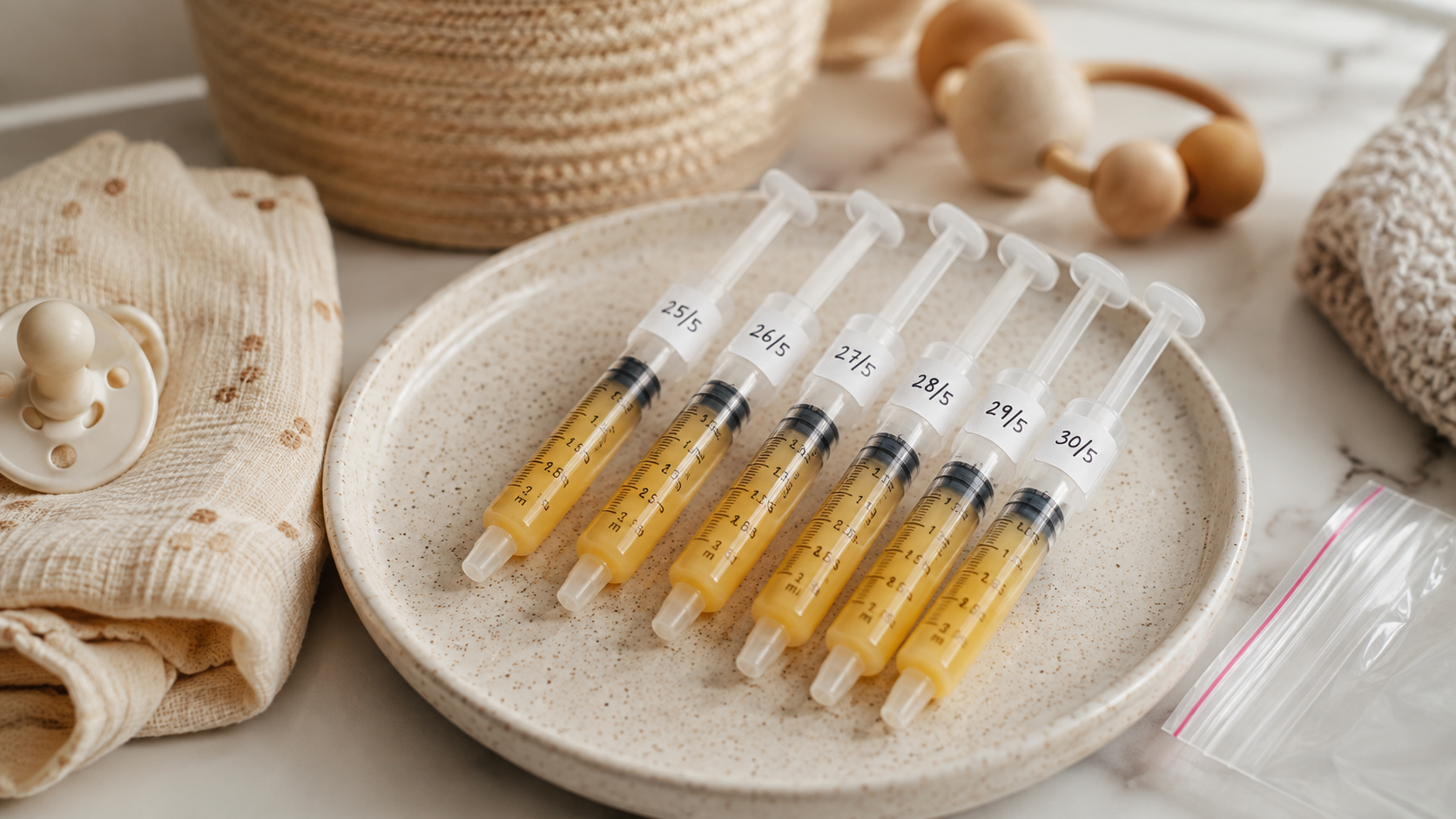
Colostrum Harvesting Before Birth: Do You Actually Need to Do It?
Colostrum harvesting has quickly become another third-trimester trend—but is it something every pregnant woman actually needs to do? Here's what antenatal hand expression can help with, when to start, and why getting only a few drops says nothing about your future milk supply.

What Is a Nesting Party? The Baby Shower Alternative That Actually Prepares You for Postpartum
A nesting party trades baby-shower games for freezer meals, organized baby supplies and practical postpartum support. Here is how to plan one that truly prepares and cares for the mother.
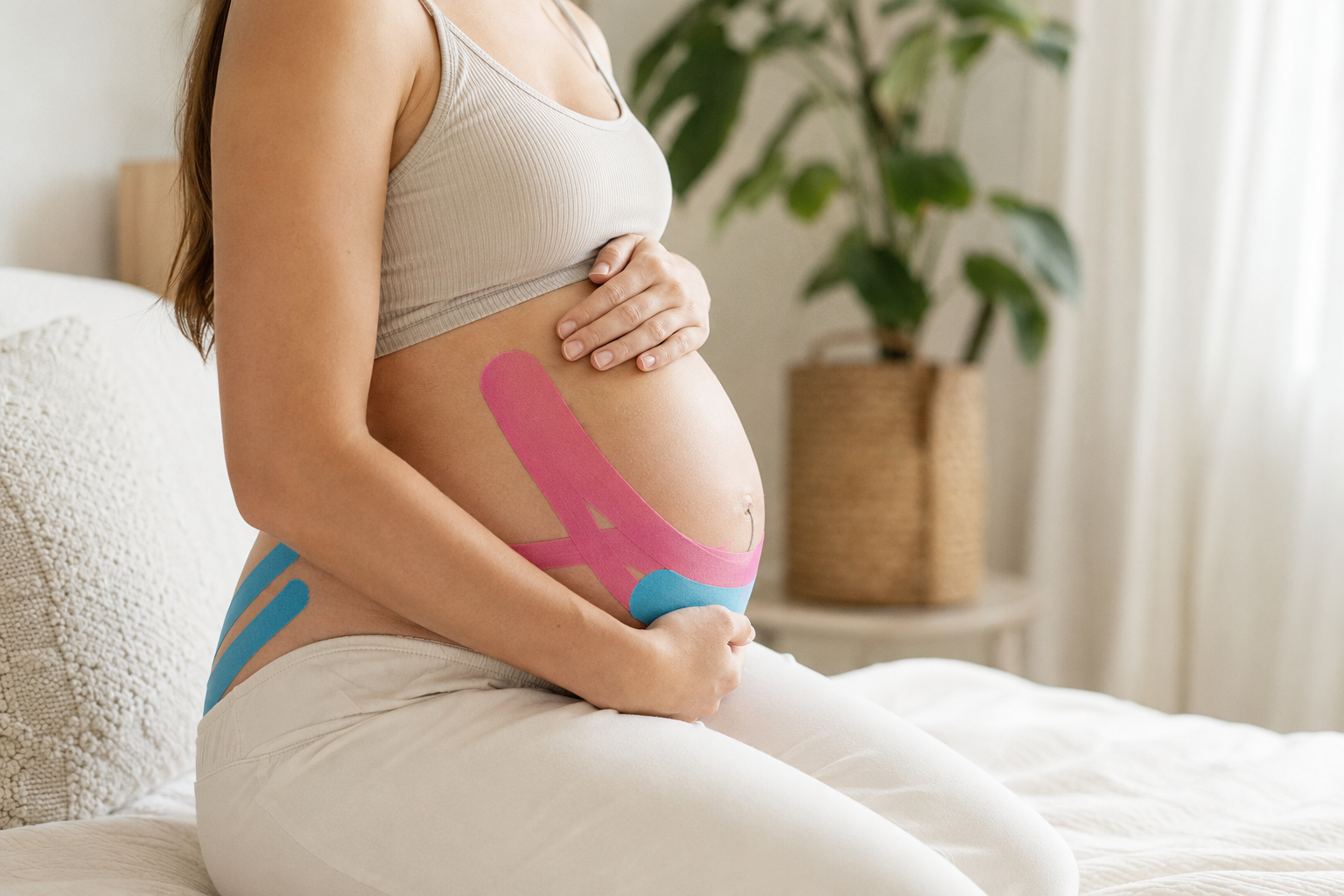
Kinesio Taping During Pregnancy and Postpartum
Kinesio taping is widely recognized as a tool used in sports, but it can also provide gentle, flexible support throughout pregnancy and after birth. From supporting a heavy pregnant belly to helping with swelling and providing a sense of security postpartum, here is how kinesio taping may be used during these major physical transitions.
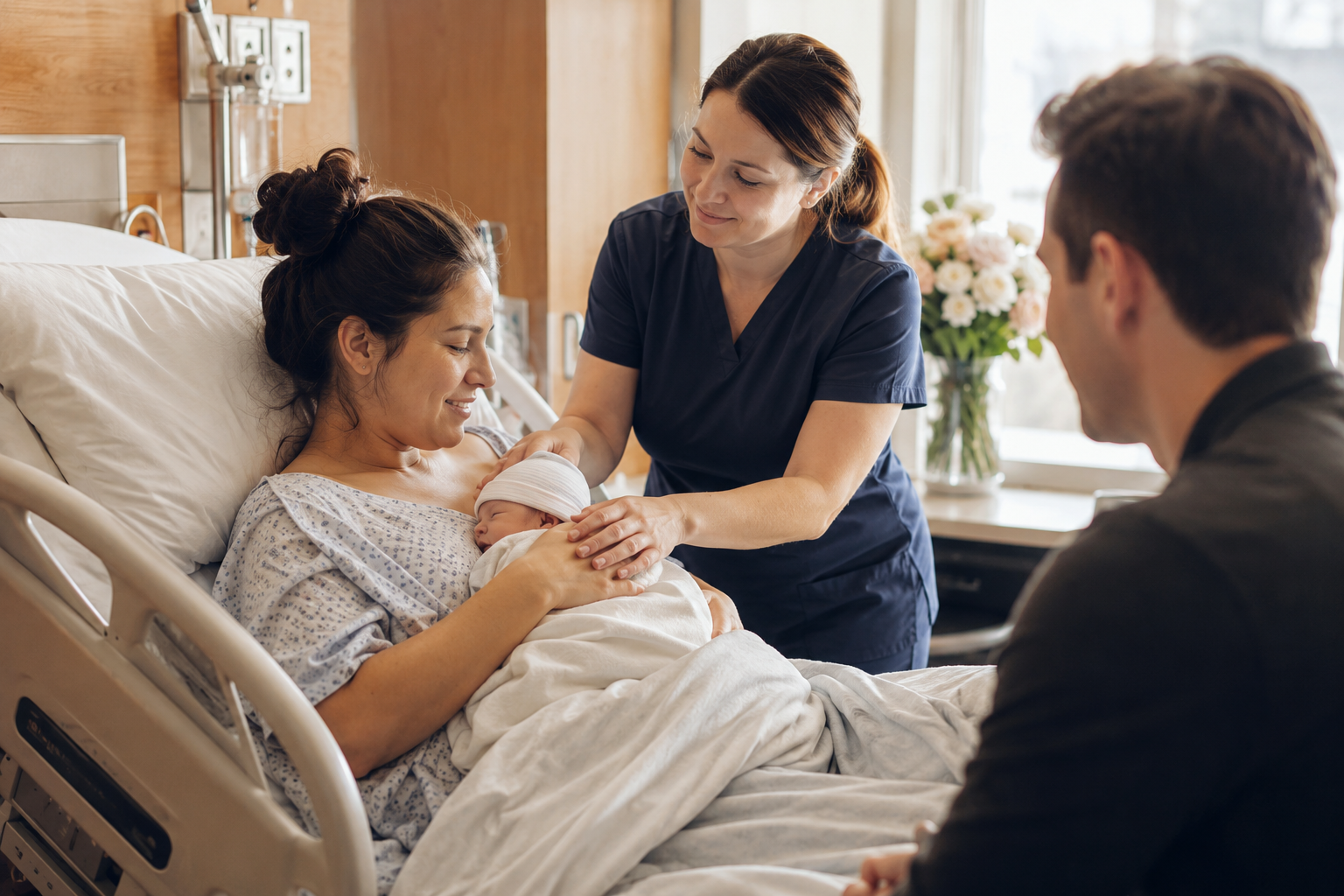
Can You Have a Midwife If You’re Planning a Scheduled C-Section in Ontario?
Planning a scheduled C-section does not automatically mean midwifery care is off the table. In Ontario, some families may still be able to receive midwifery care during pregnancy and postpartum, even if the birth itself is managed by an obstetrician. This post explains what that can look like, why postpartum midwifery support can be so valuable after a surgical birth, and what questions to ask when reaching out to a midwifery clinic.

Your Birth Partner Needs a Plan Too: How to Prepare Them for Labour
Your birth partner does not need to become a birth expert, but they do need some preparation. Here’s how to help them feel more confident, grounded, and ready to support you through labour.

Your Partner Doesn't Need to Be a Birth Expert — But They Do Need to Be Prepared
Your partner does not need to be a birth expert, but they do need to understand how to support you. Here’s why preparation matters before labour begins.

Supportive Support: What New Mothers Actually Need After Birth
Not all postpartum help feels helpful. Here’s what supportive support actually looks like for new mothers, and how family and friends can show up without adding more to her plate.
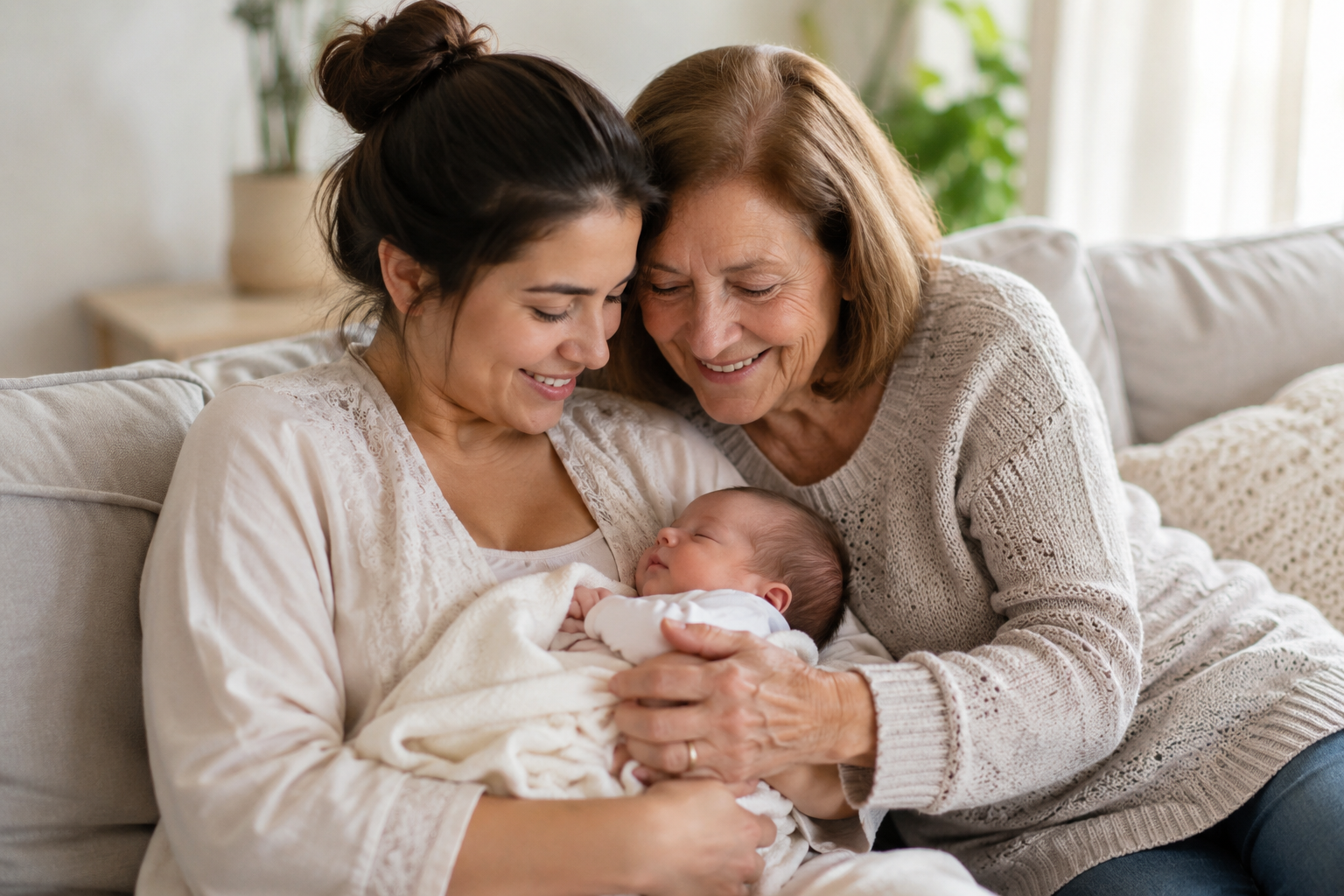
The Mother Needs Mothering Too: Grandparent Support and Postpartum Mental Health
Postpartum was never meant to be carried alone. A 2023 review found that grandparent support was linked with better maternal mental health in the first year after birth, with support from the mother’s own mother showing the strongest association. But the quality of that support matters too. New mothers need to feel held, respected, and cared for — not criticized or overwhelmed.
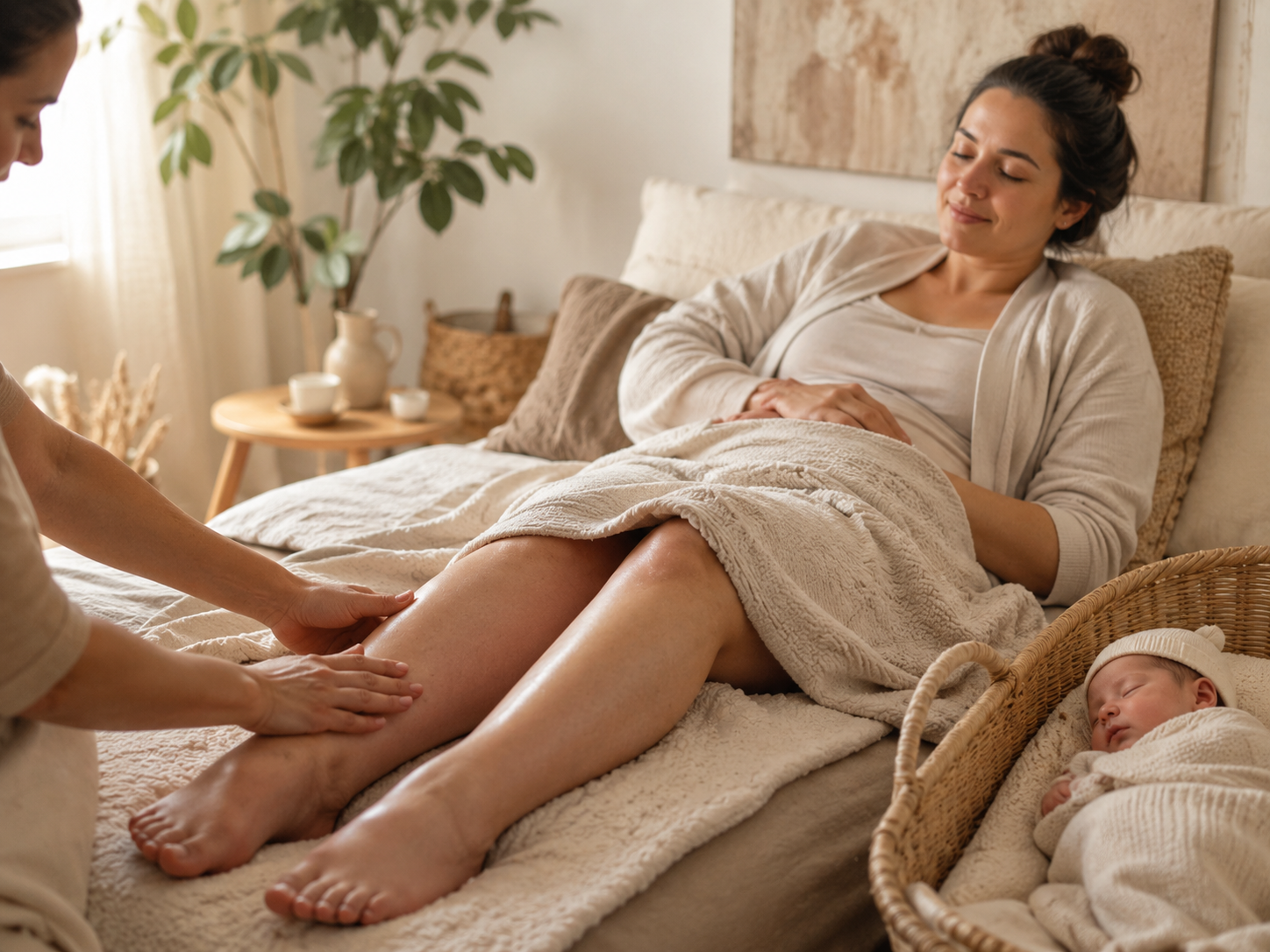
Postpartum Lymphatic Drainage for Swollen Legs, Feet & Recovery After Birth
After birth, most of the care and attention shifts to the baby. Which means your body — the one that just did something enormous — often gets left to figure things out on its own. If you're newly postpartum and your legs and feet are swollen, heavy, and sore, here's what's actually happening and how gentle lymphatic drainage can help.
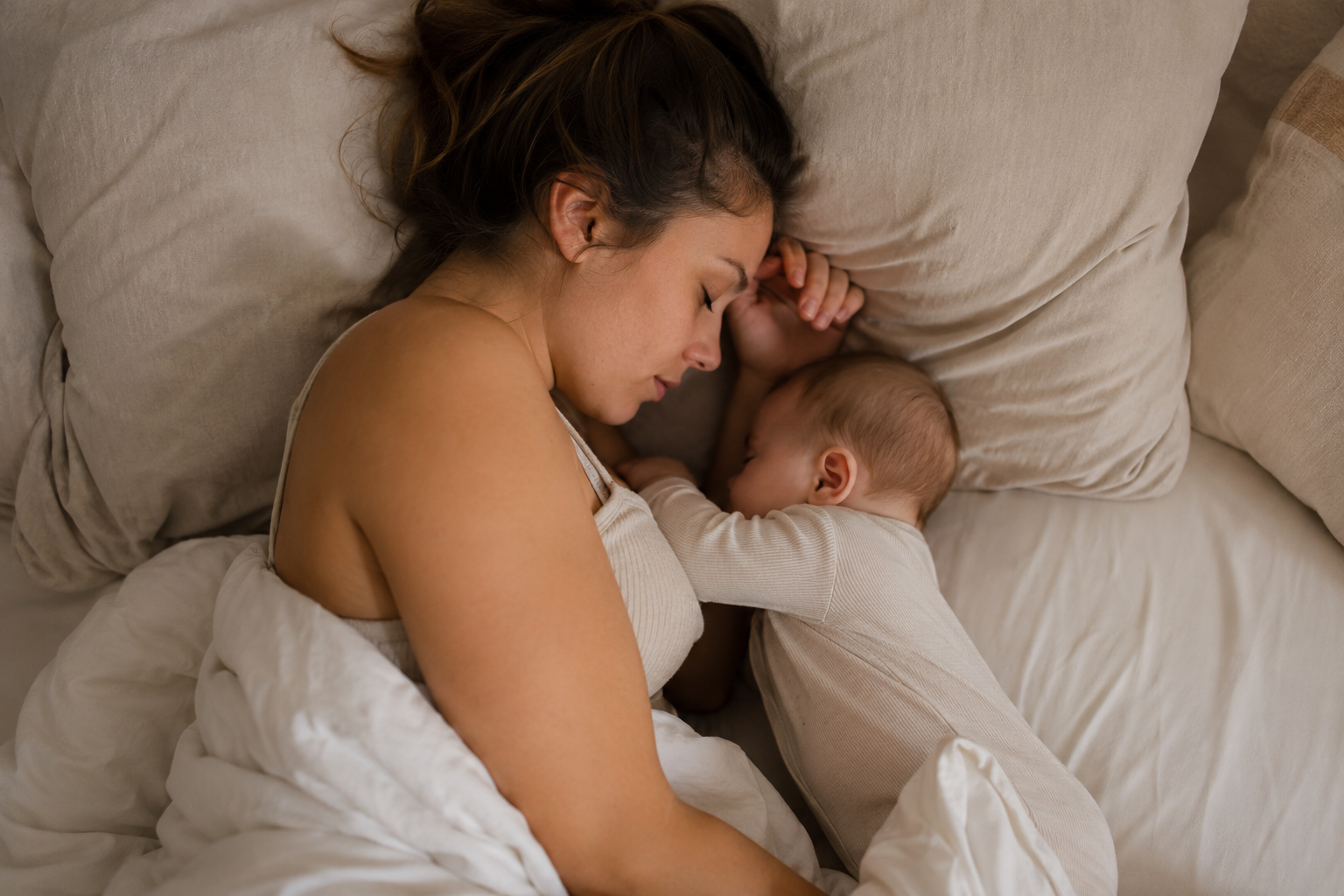
Co-Sleeping, Breastfeeding, and Why Babies Wake So Often at Night
Co-sleeping is one of the most misunderstood topics in motherhood. In this post, we explore the evidence behind safe co-sleeping, breastfeeding, infant sleep biology, and why frequent waking is normal, protective, and deeply connected to how human babies were designed to thrive.

Pregnant After Miscarriage: Why Every Symptom Feels So Scary
Being pregnant after miscarriage can feel like constantly moving between hope and fear. Every symptom feels loaded, every appointment feels heavy, and even joy can feel guarded. This post is for the woman trying to move through pregnancy after loss one day at a time.

Do Doulas Influence Birth Decisions? A Nuanced Conversation About Informed Choice
Doulas do influence birth. The way we speak, what we emphasize, and what we leave out all shape how women understand their options. This post explores the responsibility birth workers have to support autonomy with honesty, nuance, and the full picture — whether someone is choosing hospital birth, home birth, birth centre birth, or freebirth.

Why Getting Pregnant Feels Harder Than It Should (And What Most Women Aren’t Taught About Fertility)
More women are struggling to get pregnant than ever before — and most don’t fully understand their cycles. Here’s what you need to know about ovulation, timing, and the hidden factors affecting fertility today.

Pregnancy After Miscarriage: Why It’s So Hard to Feel Fully Happy
Pregnancy after miscarriage can feel filled with both hope and fear. A gentle look at anxiety, uncertainty, and navigating pregnancy after loss.

“My Provider Says My Baby Is Too Big and I Need to Be Induced… But I Don’t Want To”
Being told your baby might be “too big” can shift everything. This post breaks down what that actually means, how accurate those estimates are, and what your options look like if you’re not sure induction is the right path for you.