

“Why Getting Pregnant Feels Harder Than It Should (And What Most Women Aren’t Taught About Fertility)”
More women are struggling to get pregnant than ever before — and most don’t fully understand their cycles. Here’s what you need to know about ovulation, timing, and the hidden factors affecting fertility today.

Pregnancy After Miscarriage: Why It’s So Hard to Feel Fully Happy
Pregnancy after miscarriage can feel filled with both hope and fear. A gentle look at anxiety, uncertainty, and navigating pregnancy after loss.

“My Provider Says My Baby Is Too Big and I Need to Be Induced… But I Don’t Want To”
Being told your baby might be “too big” can shift everything. This post breaks down what that actually means, how accurate those estimates are, and what your options look like if you’re not sure induction is the right path for you.

“Why Is Breastfeeding So Hard?”
Most first-time moms are surprised by how hard breastfeeding actually is. In a culture where many women have never seen it up close, it can feel unfamiliar, overwhelming, and deeply personal when it doesn’t come easily.

“Is It Too Late to Hire a Doula?”
Is it too late to hire a doula? It’s a question many women ask later in pregnancy. This post explores when support matters most, why connection with your doula is important, and how it’s never too late to feel more supported going into birth.
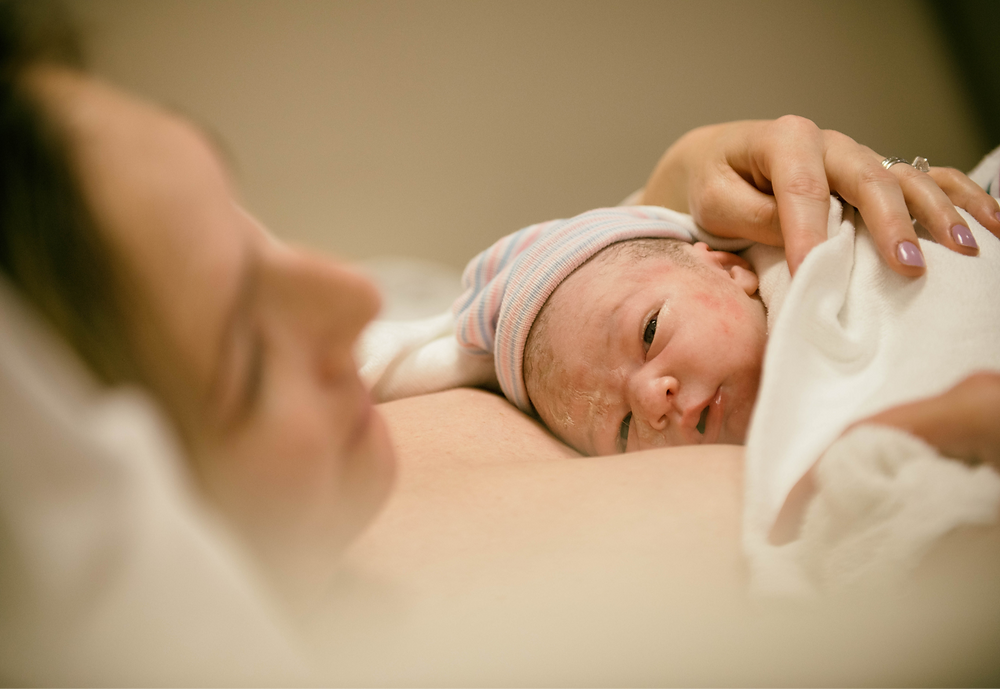
What Happens in the First 24 Hours After Birth?
The first 24 hours after birth can feel like a blur. You’re meeting your baby, recovering physically, and navigating emotions that shift quickly. This post walks through what’s normal in those early hours — including why the second night often feels harder than the first.

“How Do I Know If I Need a Doula?”
Most women don’t start pregnancy thinking they need a doula. The question usually comes later — after reading, researching, and realizing birth might not be as simple as expected. This post walks through when having a doula can make a difference… and how to decide what kind of support feels right for you.

“What Does a Doula Actually Do? (And Is It Worth It?)”
A doula isn’t there to replace your provider. She’s there for you. This post breaks down what doulas actually do during pregnancy, labour, and postpartum — and why that steady, uninterrupted support matters more than most people realize.

Home Birth, Birth Centre, or Hospital: How to Choose the Right Environment for You
Where you give birth shapes how you feel, and how you feel shapes your labour. This guide explores the differences between home birth, birth centres, and hospital birth so you can choose the environment where your body feels most safe.
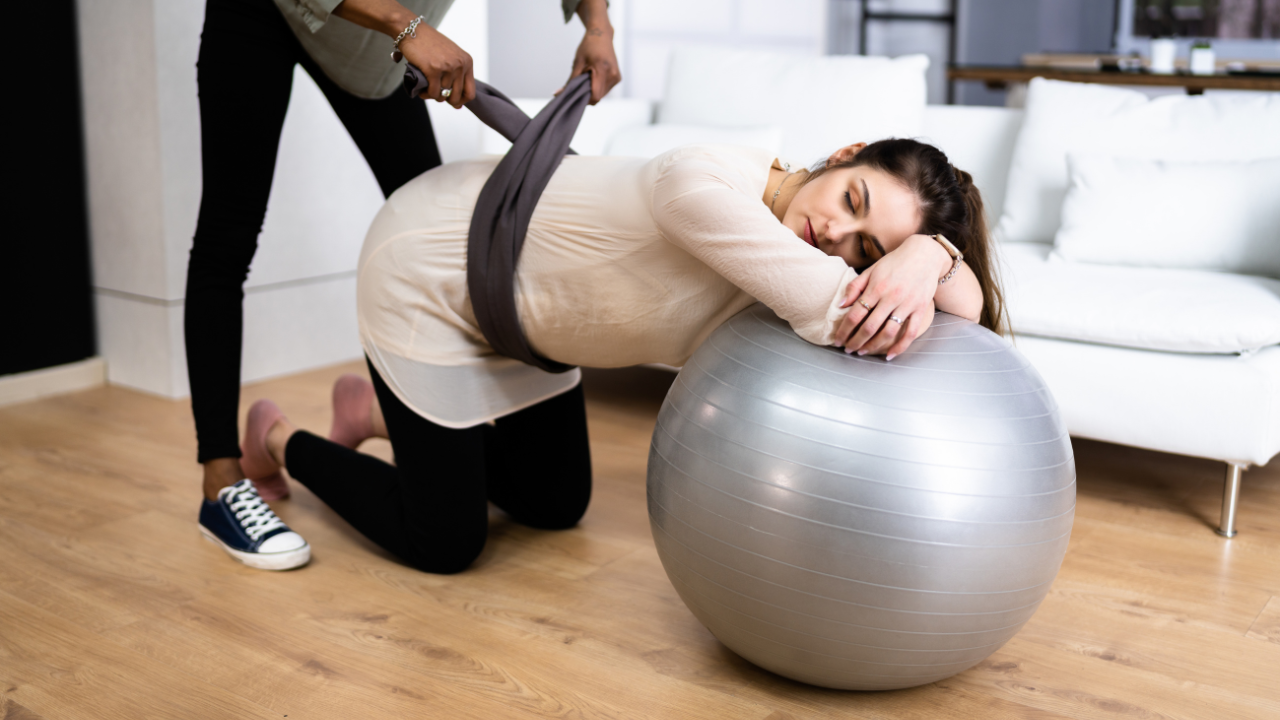
Why Having a Doula Matters: What the Evidence and Real Life Show
Continuous support during labor changes outcomes. Research shows that having a doula reduces cesarean and instrumental birth rates while improving maternal satisfaction. Here’s why that steady presence matters — in birth and long after.

Why Slowing Down in Motherhood Is a Radical Choice (and Why I’m Choosing It)
Slowing down in motherhood isn’t passive or accidental. It’s a choice. One that goes against a culture obsessed with speed, productivity, and getting back to normal. This piece explores why choosing a slower pace feels radical and why I’m choosing it anyway.

The First Two Weeks Postpartum: What Actually Helps (And What Doesn’t)
The first two weeks postpartum aren’t about getting things right. They’re about being held while everything changes. Here’s what truly helps during early postpartum — and what doesn’t — so mothers can plan for real support without guilt.

Signs You Might Benefit from a Birth Planning Session — Even If You’re Early in Pregnancy
Birth planning isn’t just for the final weeks of pregnancy. This post explores key signs that a birth planning session may support you early on — helping you feel informed, confident, and prepared long before labour begins.

The Most Important Thing to Carry Into the New Year: Self-Compassion
As the year comes to a close, it’s easy to focus on what we want to change or improve. This post offers a gentler perspective — exploring why self-compassion, not pressure or perfection, is what truly supports us through transitions and into the new year.

Five Things I Learned This Year Supporting Pregnant and Postpartum Women
After a few months of supporting pregnant and postpartum women, these are the lessons that stayed with me about care, autonomy, recovery, and what women truly need during life’s biggest transitions.

What No One Tells You About Sleep After Baby: A Nervous System Perspective
Sleep after baby is often framed as a schedule problem, but it’s much deeper than that. This post explores postpartum sleep through a nervous system lens, explaining why rest feels so hard, what’s happening in your body, and why your experience is completely normal.
Can I Really Decline an Induction? YES! Here’s What Every Woman Should Know
Can you really say no to an induction? Many women are surprised to learn they have more choice than they were ever told. This post breaks down informed consent, common reasons induction is recommended, and how to advocate for your preferences with clarity and confidence.
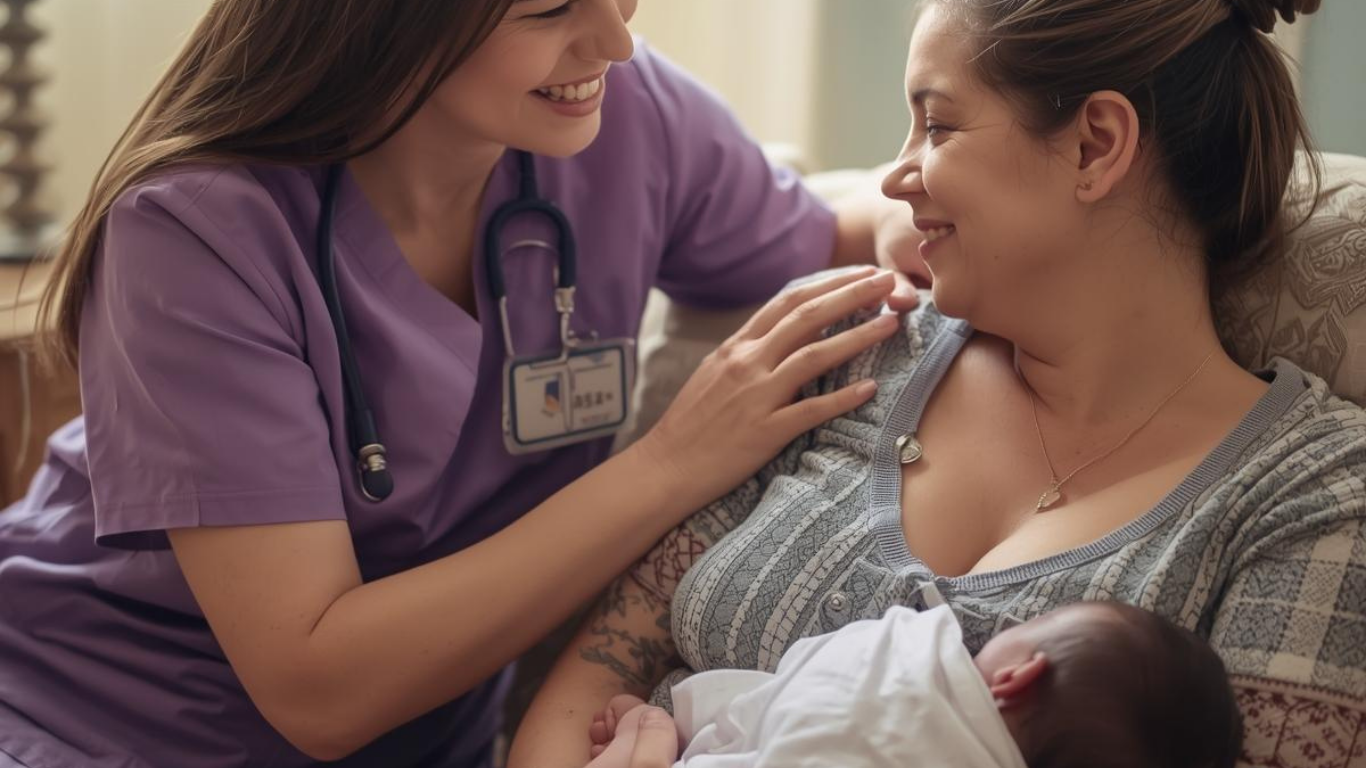
Your Postpartum Nurse: What In-Home Care Can Actually Look Like
Bringing a newborn home is emotional, beautiful, and often overwhelming. In-home postpartum nursing support provides calm, clinical guidance right where you need it most. Here’s what a private postpartum nurse visit really looks like and how it can support your healing, confidence, and peace of mind in the fourth trimester.
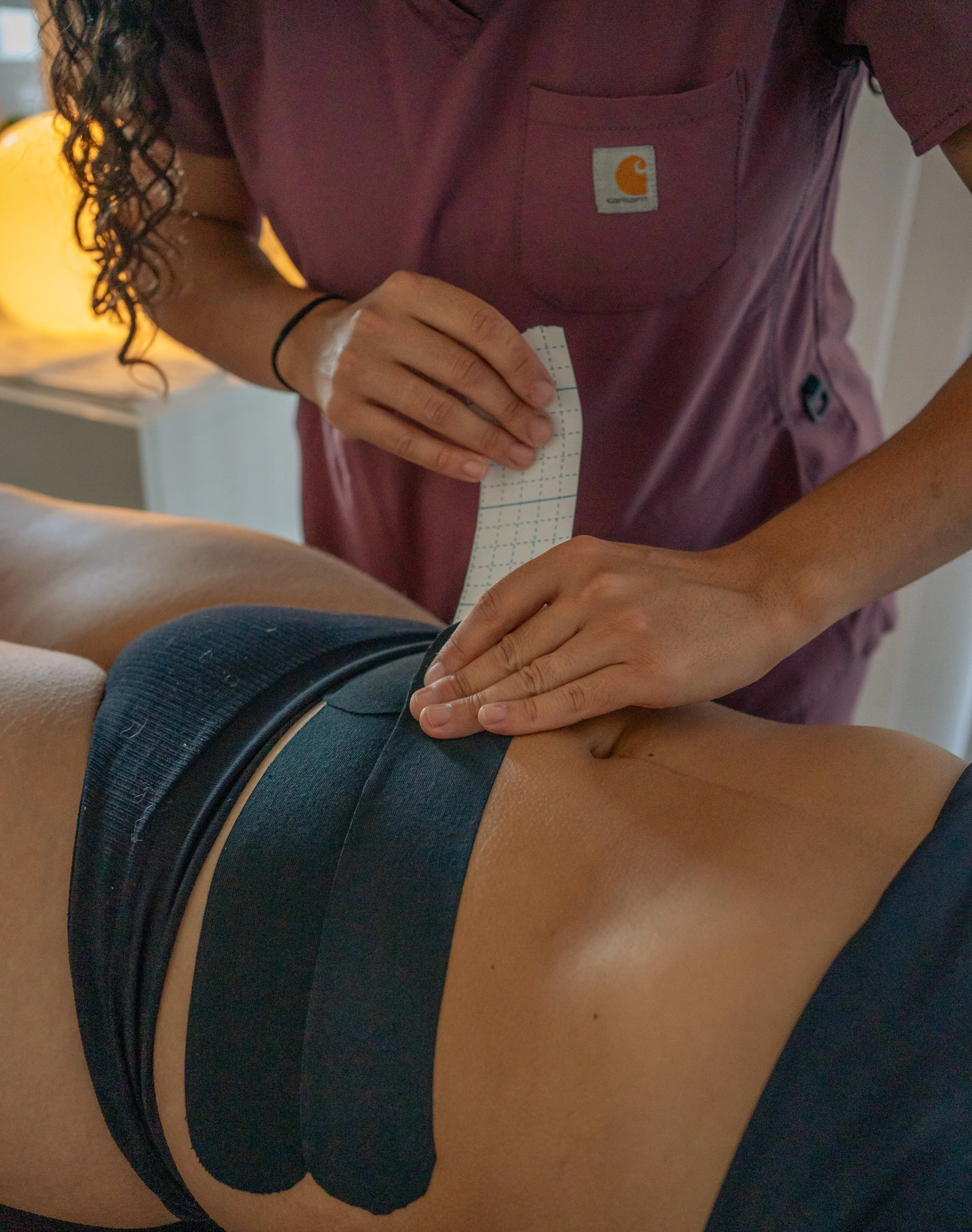
Core Support After Birth: What Really Helps Your Body Heal
Your core does incredible work during pregnancy and birth. In the early postpartum weeks, gentle support can make everyday movements feel easier and more comfortable. Learn how your abdominal muscles heal, what diastasis recti really means, and how core support taping can help you feel more stable and supported as you recover.
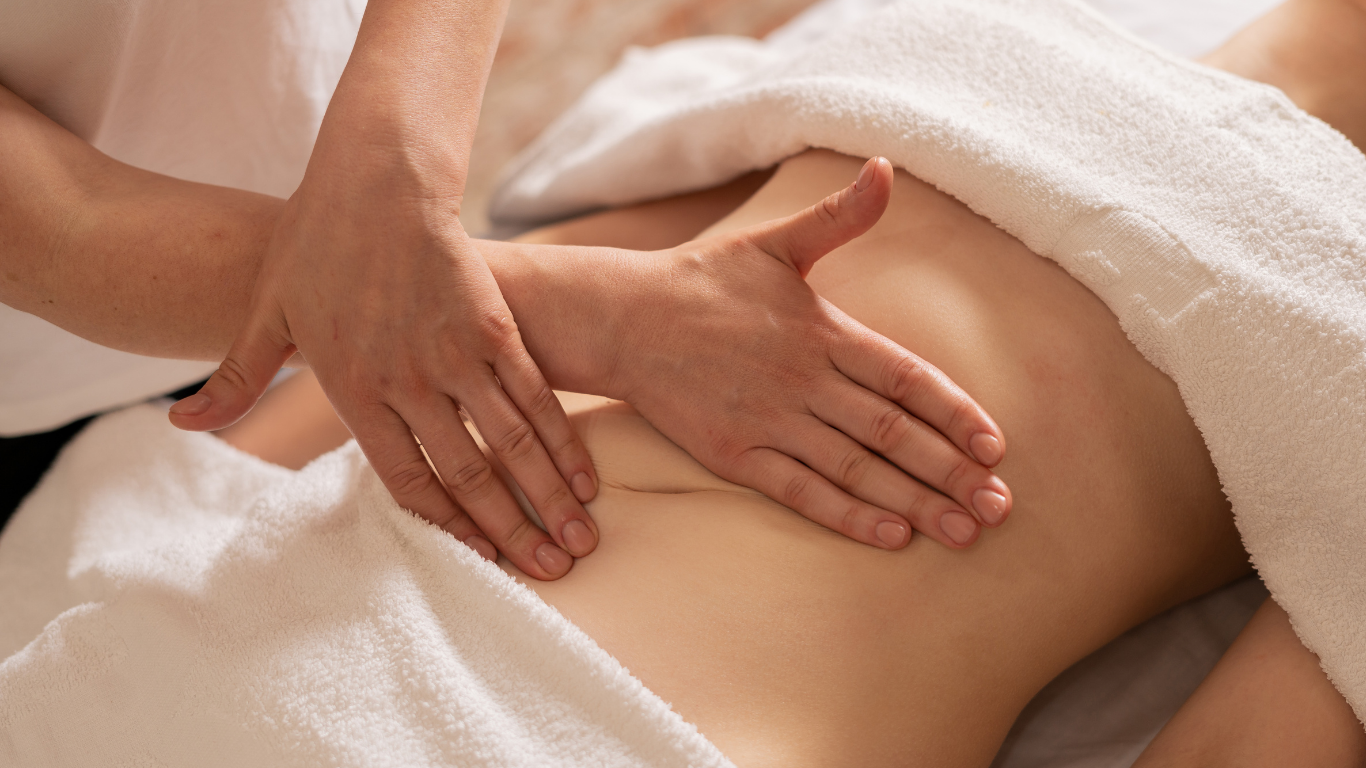
The Healing Power of Lymphatic Drainage After Birth
Lymphatic drainage is one of the gentlest and most effective ways to support healing after birth. It can help reduce swelling, improve comfort, and bring a deep sense of calm during the postpartum period. Here’s how this light, soothing technique supports recovery in the fourth trimester.